The Ultimate Guide to Advertising Screens for UK Businesses in 2026


Table of contents
- Key Takeaways
- Introduction to Advertising Screens
- Types of Advertising Screens
- Benefits of Using Advertising Screens
- Common Uses and Applications of Advertising Screens
- Installation Guide for Advertising Screens
- How to Choose the Right Advertising Screen
- Future Trends in Advertising Screens
- Conclusion and Call to Action
- Contact Us 📞
Key Takeaways
- Advertising screens, such as digital signage and LED displays, can boost visibility by attracting more foot traffic and enhancing brand recall in retail and public spaces.
- Outdoor advertising screens offer weatherproof features and high brightness for effective urban advertising, ideal for high-street shops and events.
- Interactive advertising screens with touch capabilities improve customer engagement, making them perfect for kiosks in malls and airports.
- Choosing the right advertising screen involves considering factors like resolution, size, and integration with content management systems for optimal ROI.
- Future trends in advertising screens include AI-driven personalisation and eco-friendly designs, helping businesses stay ahead in a competitive market.
- Wooflo Shop provides innovative solutions like the Innova 2026 series, tailored for local UK businesses seeking dynamic displays.
Introduction to Advertising Screens
In today’s fast-paced world, capturing the attention of potential customers is more challenging than ever. An advertising screen serves as a dynamic tool for displaying promotional content, information, or interactive elements in various settings. These screens, often referred to as digital signage or LED screens, have evolved from simple static billboards to sophisticated systems that integrate video walls, touch screens, and even interactive kiosks.
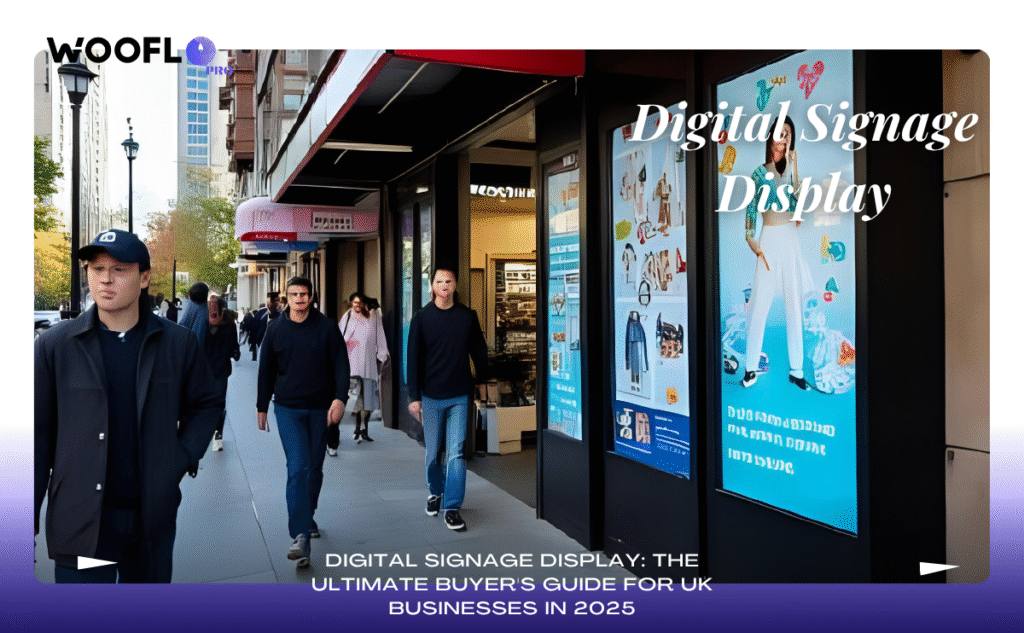
The shift from traditional signage to digital displays has been driven by advancements in technology, allowing for real-time updates and engaging visuals. For UK businesses, this evolution means greater opportunities to stand out in crowded high streets or bustling transport hubs. Whether it’s an outdoor display braving the British weather or an indoor billboard in a shopping centre, these screens play a crucial role in modern marketing strategies.
The importance of advertising screens in business growth cannot be overstated. They not only increase visibility but also drive sales by engaging customers directly. Studies show that dynamic content can lead to a significant boost in foot traffic, with some reports indicating improvements of up to 400% compared to static signs. For retailers, restaurants, and corporate environments, investing in these tools is essential to remain competitive.
Targeting audiences like retailers in London or event organisers in Manchester, advertising screens cater to diverse needs. From public information displays in airports to promotional screens in retail stores, their versatility makes them indispensable. At Wooflo Shop, we understand this demand and offer solutions like our Digital Signage Innova 2025, designed to help local businesses thrive.
Types of Advertising Screens
Advertising screens come in various forms, each suited to specific environments and purposes. Understanding these types ensures you select the right one for your needs.
Indoor Advertising Screens
Indoor advertising screens are built for controlled environments, featuring high resolution and moderate brightness levels. Common subtypes include LCD monitors, LED video walls, and touch screens. These are ideal for retail stores, hotel lobbies, and corporate offices, where they display product promotions or company information.
The pros include energy efficiency and easy installation, though they lack the durability needed for outdoor use. For instance, a slim profile monitor with narrow bezels can create seamless video walls in a conference room, enhancing presentations.
Outdoor Advertising Screens
Designed to withstand the elements, outdoor advertising screens boast weatherproof casings, high brightness, and sunlight-readable features. Subtypes like LED billboards, transparent screens, and curved displays are popular for street advertising, bus stops, and stadiums.
Their high visibility is a major advantage, though installation costs can be higher. In the UK, companies like JCDecaux UK specialise in such large format displays, perfect for urban advertising in cities like Birmingham.
Interactive Advertising Screens
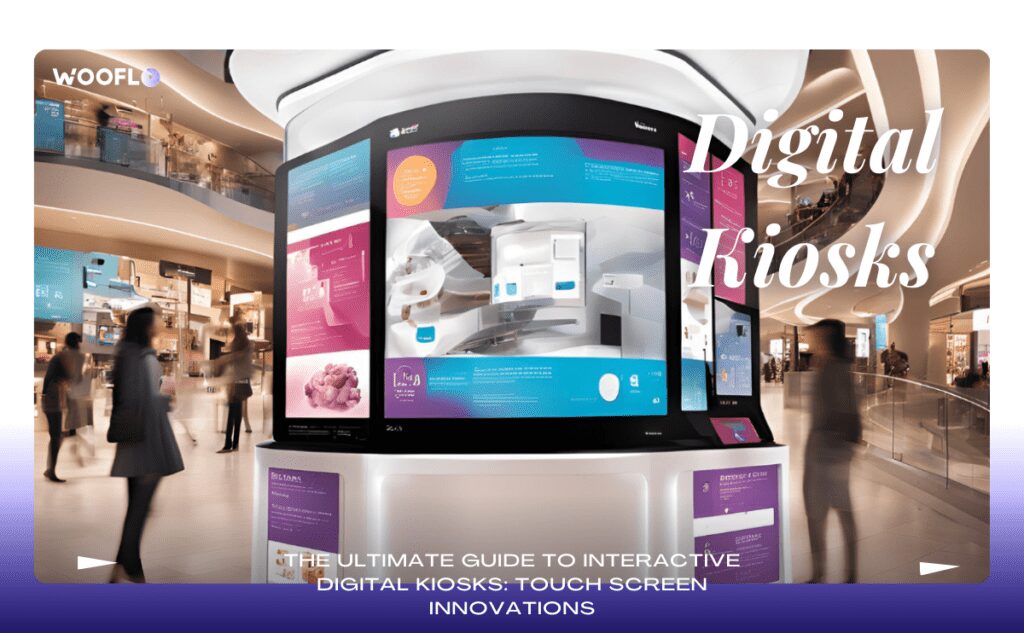
Interactive advertising screens elevate engagement with features like touch interaction, gesture control, and motion sensors. These include kiosks, information displays, and wayfinding screens, commonly used in malls, airports, and trade shows.
They offer personalised experiences but require regular maintenance. For example, a proximity marketing screen integrated with beacons can sync with mobile devices, providing tailored content.
Digital Signage Variations
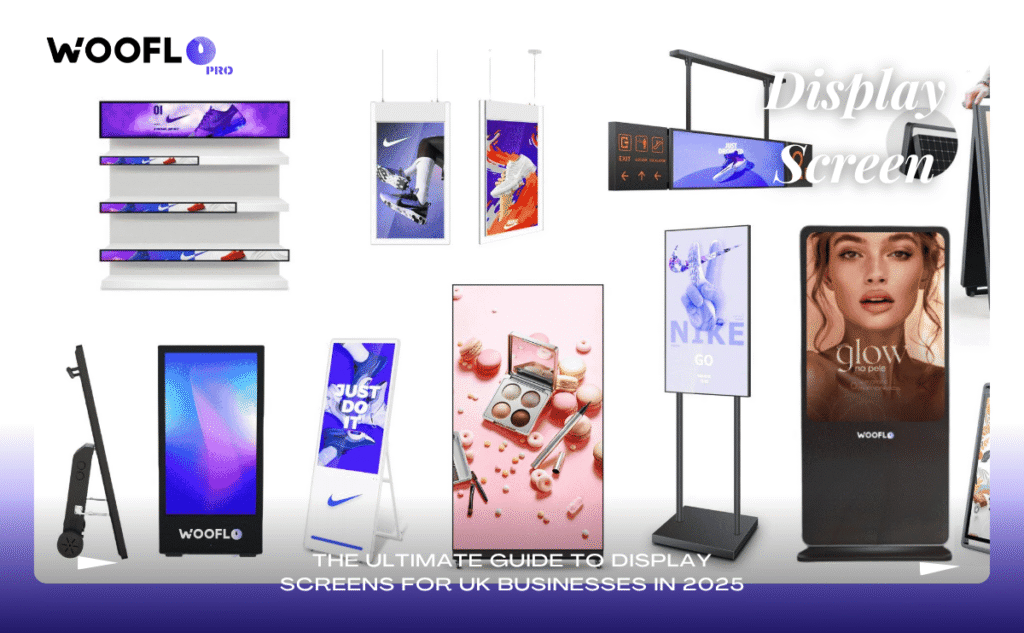
Beyond basics, digital signage includes menu boards for restaurants, video walls for large-scale advertising, and portable screens for events. Transparent and flexible screens add innovation, allowing for creative applications in shop windows or exhibitions.
To compare, consider specs like high contrast displays for vivid imagery or anti-glare screens for bright environments. Our What is Digital Signage and Complete Guide explores these in depth.
Benefits of Using Advertising Screens
Implementing advertising screens brings numerous advantages, transforming how businesses interact with customers.
Increased Visibility and Foot Traffic
Dynamic content on advertising screens outperforms static signs, often resulting in 200% more views. Bright, vibrant displays work day and night, drawing passersby into stores. In high-traffic areas like Oxford Street, this can significantly boost foot traffic.
Cost-Effectiveness and ROI
Over time, these screens save on printing costs through remote management and scheduling. Businesses see higher average sales, with some experiencing a 30% increase in retail environments. Tools from providers like Screen Moove ensure efficient content updates via cloud-based signage.
Enhanced Customer Engagement
Interactive features allow for personalised experiences, with content varying from videos to news feeds. This fosters deeper connections, as seen in hotel lobby screens displaying events.
Brand Recall and Marketing Flexibility
Custom campaigns with real-time updates improve brand recall. Integration with social media and apps, using entities like AIScreen or Appspace, amplifies reach. Case studies from brands like Samsung and LG highlight successful implementations, as detailed in our Understanding Digital Displays: Types, Applications, and Key Considerations.
Environmental and Sustainability Benefits
Energy-efficient LED technology reduces power consumption, while cutting paper waste from traditional ads. Sustainable options are increasingly popular among eco-conscious UK firms.
Common Uses and Applications of Advertising Screens
Advertising screens find applications across industries, enhancing operations and customer experiences.
Retail and Point-of-Sale (POS) Environments
In shops, they promote products via window displays and in-store signage. A point of sale screen can highlight sales, driving impulse buys.
Hospitality and Restaurants
Digital menu boards and self-ordering kiosks streamline service in eateries. Lobby screens inform guests about amenities, improving satisfaction.
Transportation Hubs
At airports and subway stations, advertising screens provide wayfinding and ads. Entities like Global manage such networks effectively.
Corporate and Educational Settings
Reception displays communicate with employees, while campus signage aids navigation in schools.
Events and Trade Shows
Portable screens and large video walls create immersive setups. For temporary events, rental options from Blue Sky Event Services are ideal.
Public Spaces and Urban Advertising
Street furniture screens and mall signage deliver public service announcements. In urban areas, they support emergency information and news displays.
Industry examples often involve software like OptiSigns or BrightSign for seamless operation.
Installation Guide for Advertising Screens
Proper installation ensures longevity and performance.
Planning and Site Assessment
Assess locations for indoor versus outdoor needs, considering power and connectivity like WiFi or Ethernet.
Choosing Hardware and Software
Select based on resolution, brightness, and size. Content management systems such as Samsung VXT or Yodeck simplify control.
Mounting and Setup Options
Options include wall-mounted, ceiling-hung, or floor-standing. Safety is key during setup.
Configuration and Testing
Connect media players for loop playback and scheduling. Test thoroughly for issues.
Maintenance and Troubleshooting
Regular cleaning and updates prevent problems like connectivity glitches. Professional services from Allsee Technologies can assist.
Professional vs. DIY Installation
Weigh costs; for complex setups, experts ensure compliance.
How to Choose the Right Advertising Screen
Selecting involves key factors.
Budget, size, and resolution are primary. Compare brands like Samsung, LG, and NEC Display Solutions. Ensure integration with existing systems.
Vendor selection prioritises warranty and support. Use ROI tools for decisions. A checklist might include anti-glare screens or networked displays. Explore our The Ultimate Guide to Display Screens for UK Businesses in 2025 for more insights.
Future Trends in Advertising Screens
Looking ahead, innovations promise exciting developments.
AI enables personalisation, tailoring content via data. IoT integration with beacons enhances interactivity.
Sustainable designs focus on eco-friendly materials. Advancements in 4K/8K and AR/VR compatibility open new possibilities, with market growth projected for 2026.
Entities like DotSignage and Pickcel are leading with cloud-based solutions.
Conclusion and Call to Action
Advertising screens are vital for UK businesses, offering enhanced visibility, engagement, and growth. Investing now positions you for success.
Ready to elevate your marketing? Explore Wooflo Shop’s range, including our Digital Signage Outdoor Innova 2025 Free Campaign. Contact us for tailored advice.
FAQ Section: Common Questions on Advertising Screens
What is the difference between LED and LCD advertising screens? LED offers better brightness for outdoors, while LCD suits indoors.
How do I manage content on my advertising screen? Use CMS software like NowSignage or ScreenCloud for remote updates.
Are advertising screens energy-efficient? Yes, modern models with high brightness screens consume less power.
What maintenance do they require? Regular checks for brightness adjustment and cleaning.
Can they integrate with mobile apps? Absolutely, via app-controlled advertising and beacon technology.
For more, check our Types of Display Screens: A Comprehensive Guide.
Contact Us 📞
- Phone 📱: +33 7 45 96 94 59
- KGID 🔗: https://share.google/tqL92yxlIrgPVjGdh
- Directions 🗺️: https://maps.app.goo.gl/pydw8rU9gncWBwCS6
- Email 📧: info@wooflo.pro
- Address 📍: 71 Shelton St, London WC2H 9JQ, United Kingdom