Unlocking the Power of Digital Signage: A Complete Guide to Wayfinding


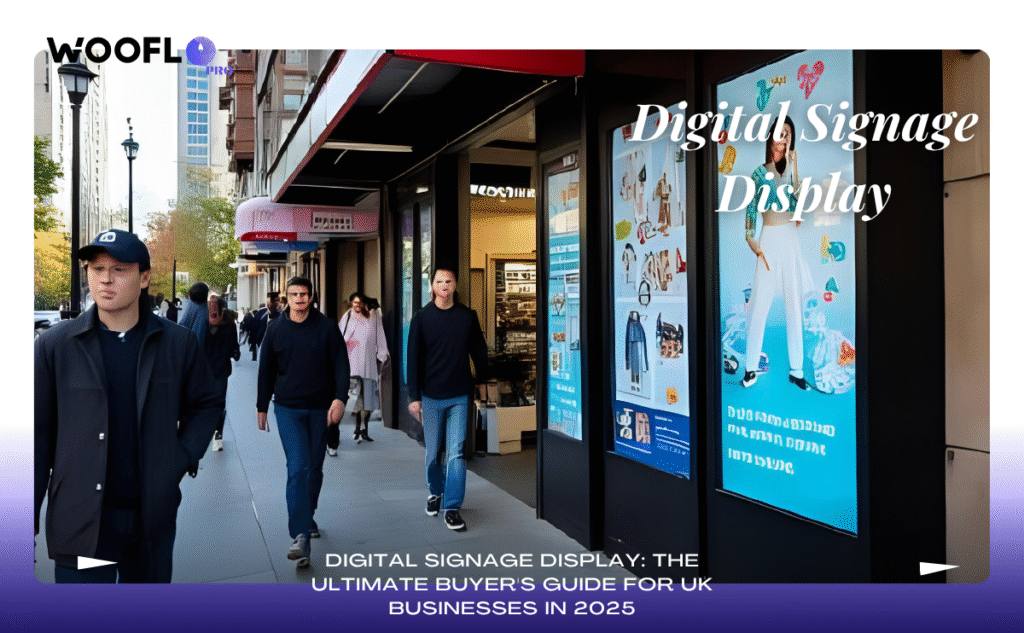
Real-time information digital signage is revolutionizing how businesses and organizations communicate with their audience. By delivering up-to-date, relevant content, digital signage systems enhance engagement, efficiency, and decision-making. Below, we’ll explore everything you need to know about this technology.
What Is Real-Time Digital Signage?
Real-time digital signage displays live data, such as social media feeds, weather updates, or transportation schedules, on digital screens. It uses:
- Hardware: Screens, kiosks, and display panels.
- Software: Content management systems (CMS) for updates.
- Data Sources: APIs and cloud integration for live data.
Learn more about digital signage technology in our Complete Guide to Digital Signage Displays.
Benefits of Real-Time Digital Signage
1. Enhanced Engagement
- Digital signage attracts 400% more views than static displays.
- 80% of brands see a significant boost in customer experience.
2. Operational Efficiency
- Automates content updates, reducing manual tasks.
- Improves queue management by cutting perceived wait times by 35%.
3. Better Decision-Making
- Retailers adjust promotions using real-time inventory data.
- Businesses can respond instantly to customer feedback.
Practical Applications
1. Transportation
- Displays live arrivals, departures, and delays.
- Case Study: Airports using real-time signage reduce passenger confusion by 40%.
2. Retail
- Showcases flash sales and adjusts promotions based on stock.
- Example: Digital menu boards update pricing in real time.
3. Corporate Communication
- Streams live company announcements.
- Displays performance metrics to employees.
Learn how digital signage transforms retail in our Ultimate Guide to Retail Digital Signage.
Key Features for Implementation
1. Software Selection
Look for:
- Real-time updates.
- Integration with existing systems.
Explore the Top Digital Signage Products for 2025.
2. Content Strategies
- Use templates for consistent branding.
- Update content to ensure relevance.
3. Security and Maintenance
- Secure data connections with encryption.
- Regularly maintain hardware for optimal performance.
Challenges and Solutions
| Challenge | Solution |
| Data Integration Issues | Use robust APIs and standardized formats for seamless integration. |
| Content Overload | Curate content with audience needs in mind to avoid overwhelming viewers. |
| Technical Failures | Conduct regular software and hardware checks to ensure uninterrupted service. |
Future Trends in Real-Time Digital Signage
1. Artificial Intelligence
AI will enable personalized content, improving audience engagement.
2. IoT Integration
Digital signage will sync with IoT devices, providing dynamic, context-aware displays.
3. Interactive Displays
Touchscreens and interactive features will become the norm, boosting usability.
Conclusion
Real-time digital signage is no longer a luxury—it’s a necessity. By enhancing engagement, improving efficiency, and adapting to trends like AI and IoT, this technology is paving the way for smarter communication.
To learn more about harnessing digital signage for your business, check out Understanding Digital Displays: Key Considerations.
References
- Reality Interactive. “Digital Signage Statistics.”
- Samsung Insights. “The Role of Digital Signage in Real-Time Communication.”
- Visix. “Digital Signage Effectiveness.”